
Heat Sealing Principles
Explore our heat sealing technologies and how they can help your business
Heat Sealing Principles: How Does Heat Sealing Work?
Heat sealing is a widely used process for joining thermoplastic materials using a controlled combination of heat, pressure and time. From flexible films and foils to coated materials and specialist laminates, heat sealing technologies are used across a diverse range of industries to create strong, reliable and repeatable seals.
While the basic principle of heat sealing is relatively simple, achieving the optimum seal can depend on a number of factors. Material construction, thickness, seal geometry, temperature, pressure, dwell time and cooling can all influence the quality and integrity of the finished seal.
Understanding these heat sealing principles is therefore essential when selecting the most appropriate technology and developing a reliable sealing process.
How Does the Heat Sealing Process Work?
At its simplest, heat sealing involves applying heat to the interface between two compatible materials, causing the sealant layers to soften or melt. Pressure is applied to bring the surfaces together, allowing the materials to bond and form a seal. The three fundamental variables within most heat sealing processes are:
Temperature
Sufficient heat must be applied to activate or melt the sealing layer without damaging or degrading the surrounding material.
Pressure
Controlled pressure ensures the materials remain in contact throughout the sealing process and helps create a consistent bond across the seal area.
Time
The material must be exposed to the required temperature and pressure for sufficient time to form the seal.
The relationship between these variables is critical. The optimum process parameters will depend on the materials being sealed, the required seal performance and the production environment. Different heat sealing technologies apply and control these variables in different ways, making certain methods better suited to particular materials, applications and production requirements.
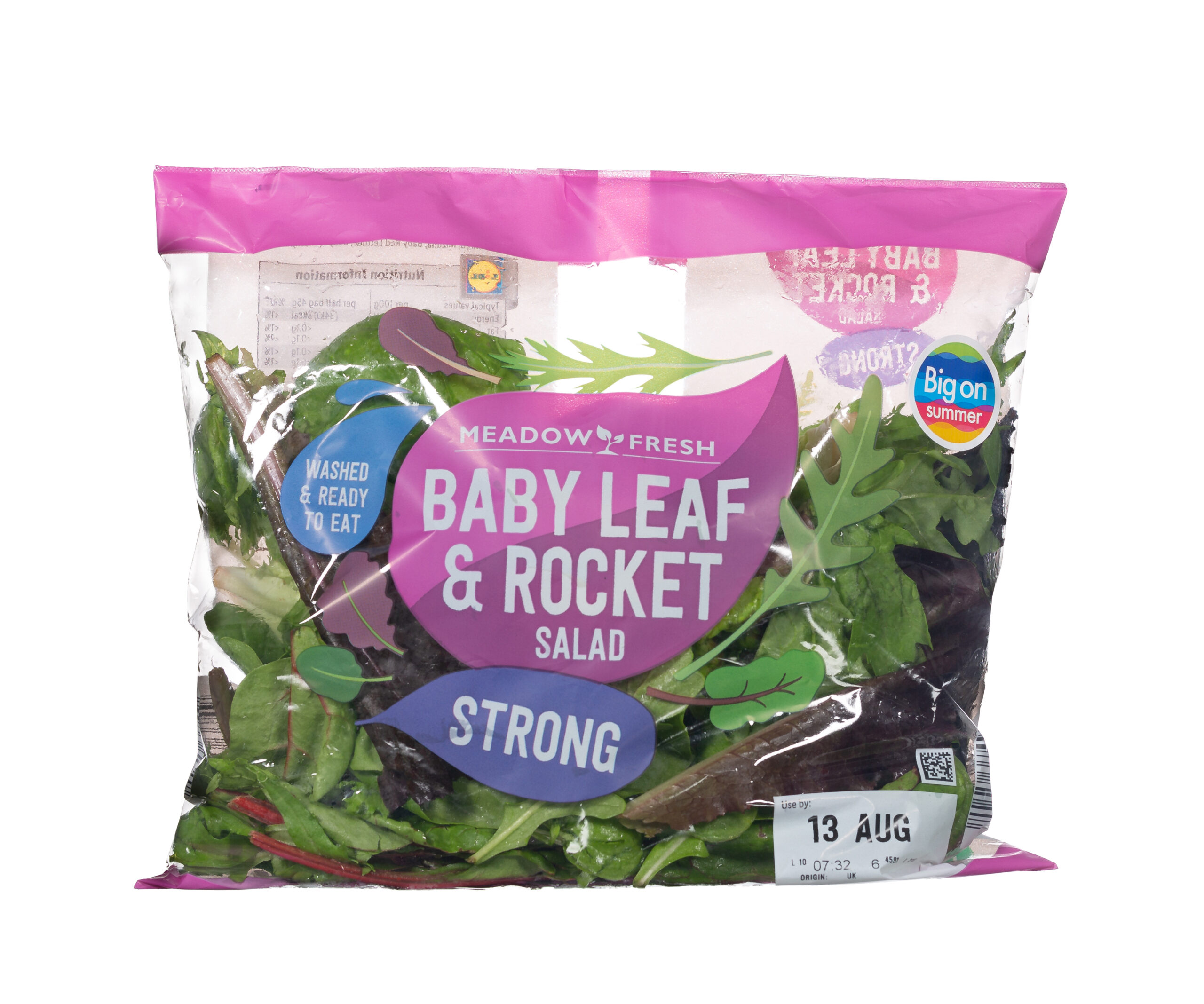
Choosing The Right Heat Sealing Technology
No single heat sealing technology is suitable for every material or application. Choosing the right process depends on both the material to seal and the performance requirements of the finished product.
Key factors can include:
Applications requiring highly controlled heating and cooling may benefit from impulse heat sealing. Furthermore, continuous production processes may be better suited to rotary or hot air technologies. Therefore, understanding the interaction between the material, sealing technology and process parameters is essential to achieving a reliable and repeatable result.
What Are The Main Types of Heat Sealing?
Industrial heat sealing technologies can broadly be divided into three main process types (with our technologies sitting within these categories):
Impulse Heat Sealing - What is it, and How Does it Work?
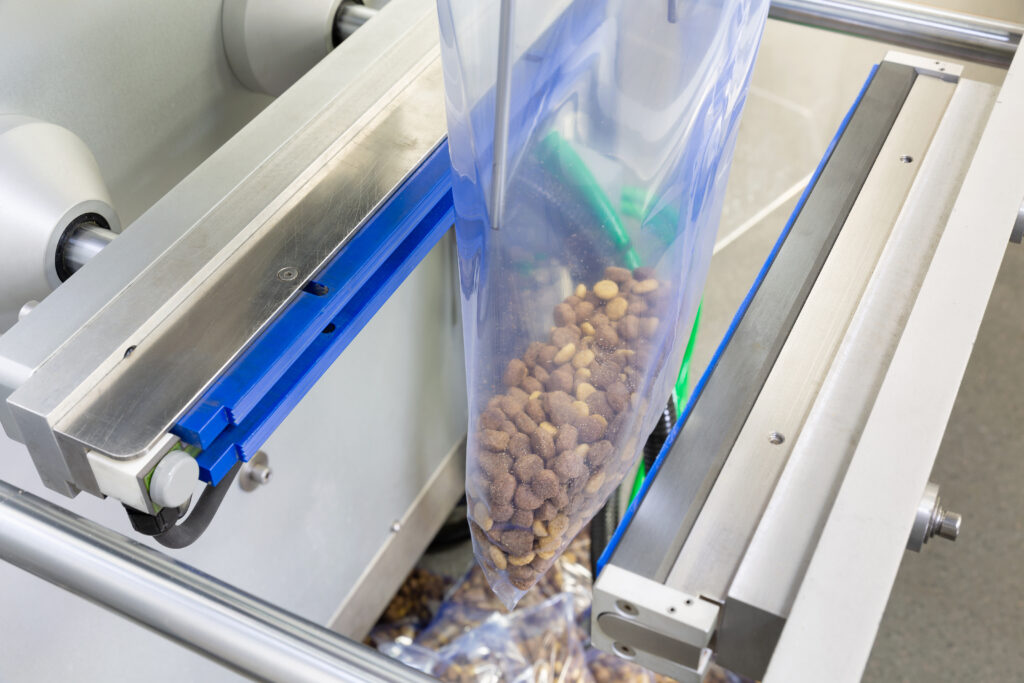
Impulse heat sealing is a precision sealing process that applies electrical energy to a heating element for a controlled period. Unlike constant heat sealing, the sealing tool only heats during the sealing cycle. This delivers accurate, repeatable seals while reducing unnecessary heat exposure. Our impulse heat concept sealing technologies are IPH and QPH sealing systems.
Electrical current passes through a resistance heating element, generating heat that is transferred into the material to form the seal. When the required temperature is reached, the power is switched off and the material cools under pressure. The result is a strong, reliable bond.
Cooling the seal while maintaining pressure allows the material to solidify before the sealing jaws open. This improves seal strength, reduces material distortion and is particularly beneficial for thicker films, laminates and high-performance applications.
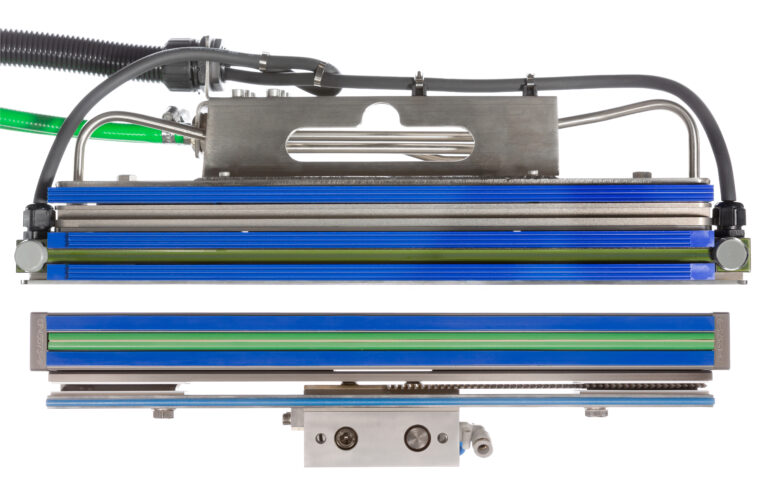
Impulse heat sealing offers accurate control of temperature, sealing time and pressure. Furthermore, this minimises material extrusion, improves seal consistency and delivers repeatable results for demanding industrial applications.
Applications for Impulse Heat Sealing
Impulse heat sealing is suitable for a wide range of thermoplastic films, laminates and engineered materials.
Its precise process control makes it ideal for industries requiring high-integrity, leak-proof seals, including medical, automotive, battery, electronics and manufacturing.
Constant Heat Sealing - What is it, and How Does it Work?
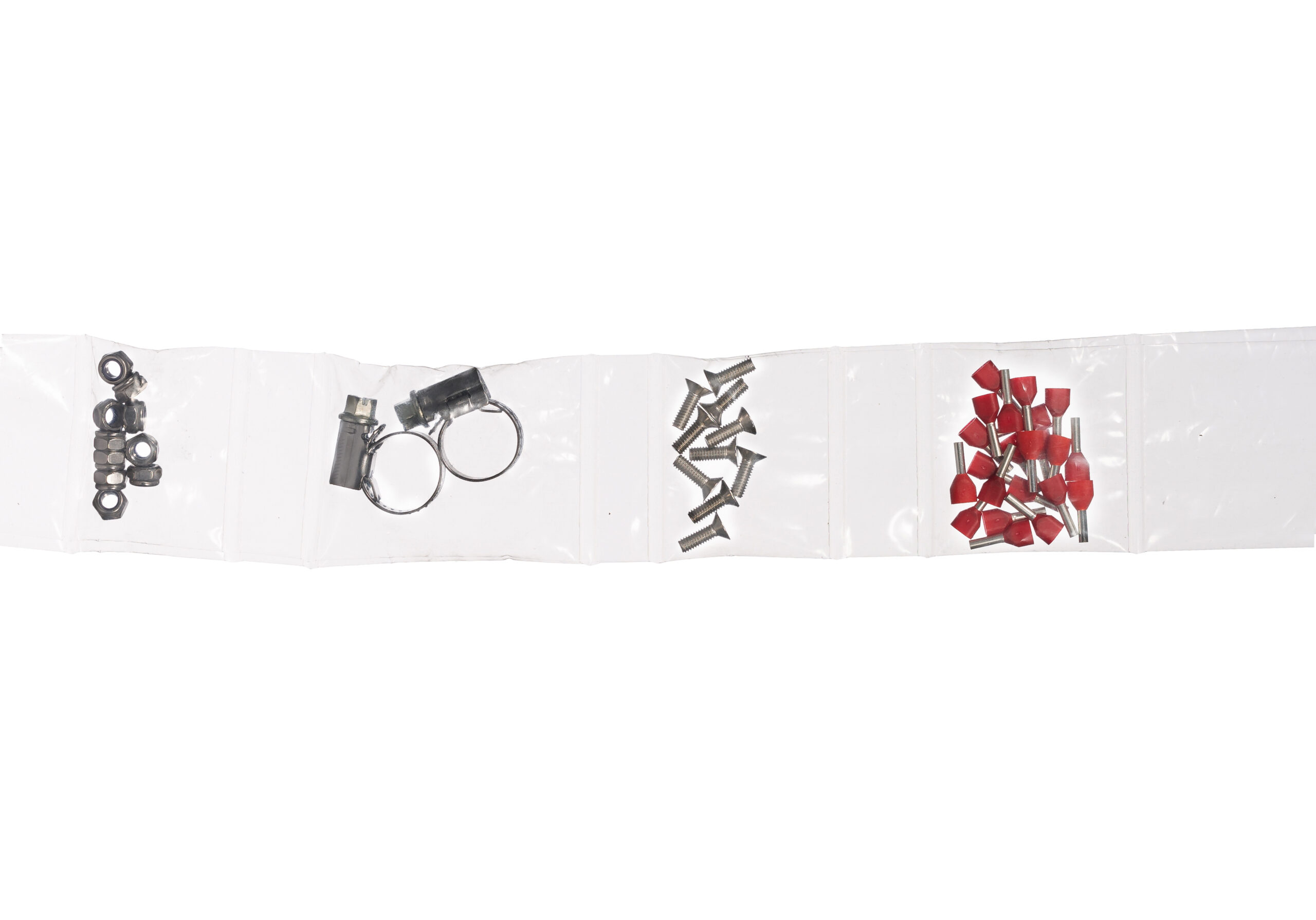
Constant heat sealing uses sealing tools that are maintained at a continuous operating temperature. Heat and pressure are applied for a controlled period to create strong, consistent seals across a wide range of thermoplastic materials. Our constant heat sealing technology is LVH (Low Voltage Heat Sealing).
Heating elements keep the sealing jaws at a predetermined temperature throughout production. When the jaws close, heat is transferred into the material while pressure is applied. After the required dwell time, the jaws open, leaving a reliable, repeatable seal.
Constant heat sealing provides a reliable and repeatable sealing process for materials that respond well to continuous heat. By maintaining a consistent operating temperature, it delivers stable seal quality while simplifying process control. The technology is compatible with a wide range of sealing tool profiles, making it suitable for diverse industrial and packaging applications.
Applications for Constant Heat Sealing
Constant heat sealing provides a simple, reliable and repeatable sealing process for materials that perform well with continuous heat. By maintaining consistent sealing temperatures throughout production, the technology helps deliver reliable seal quality while supporting straightforward process control. Its compatibility with a wide range of sealing tool profiles and configurations makes it a versatile solution for many industrial and packaging applications.

Continuous Heat Sealing - What is it, and How Does it Work?
Continuous heat sealing is designed for high-speed manufacturing and packaging processes where materials are sealed while moving through the production line. In contrast to stationary sealing methods, heat and pressure are applied continuously as the material passes through the sealing system. Therefore it's ideal for automated, high-volume production. Our continuous heat sealing technology is CRH (Continuous Rotary Heat Sealing) and HAH (Hot Air Heat Sealing).
Band Heat Sealing
Band heat sealing uses continuously heated bands to apply controlled heat and pressure as the material moves through the machine. By carefully controlling band temperature, pressure and line speed, the process produces strong, consistent seals across a wide range of flexible materials.
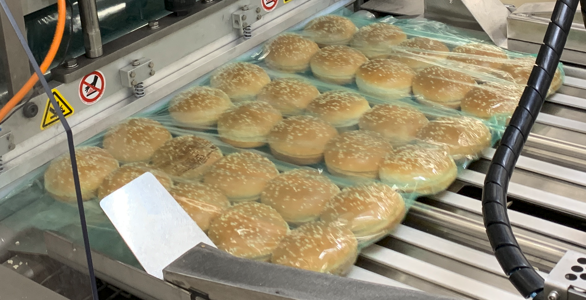
Continuous Rotary Heat Sealing
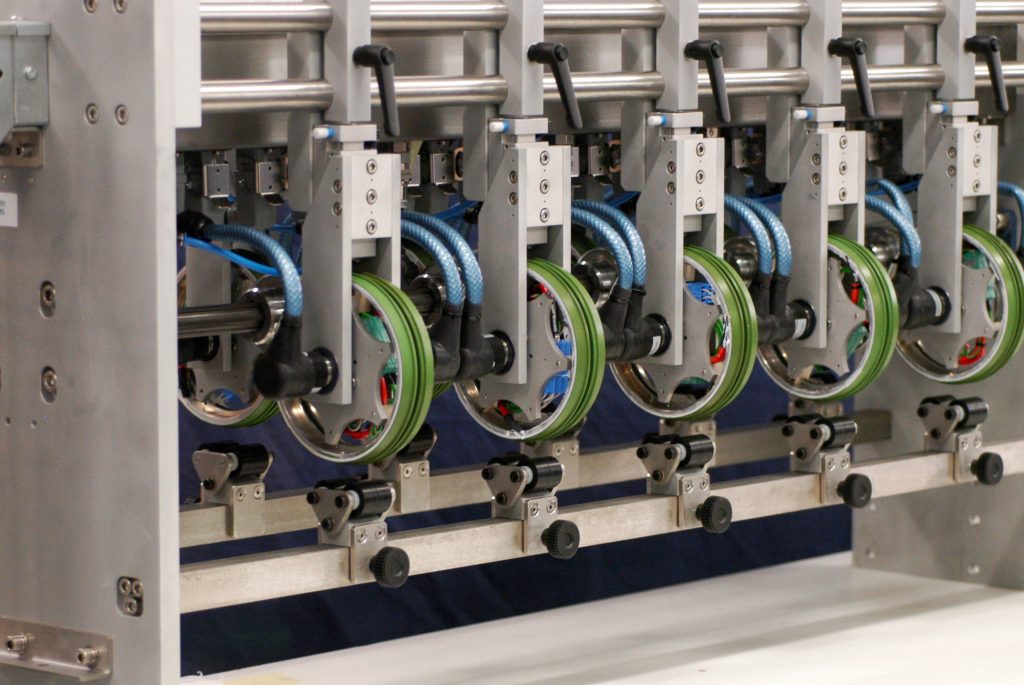
Continuous rotary heat sealing uses heated rotating wheels or rollers to create continuous seals as the material travels through the system.
This technology integrates seamlessly into automated production lines and is well suited to high-speed manufacturing.
Rotary heat sealing systems can be configured to accommodate different materials, seal profiles and production requirements, providing reliable and repeatable sealing performance.
Hot Air Heat Sealing
Hot air heat sealing uses a controlled stream of heated air to activate the sealing surfaces of the material.
Once heated, the materials are brought together and compressed using rollers or other pressure mechanisms to form the seal.
Because the hot air sealing process is non-contact, it's advantageous for applications where direct contact with a heated tool is undesirable. Furthermore, hot air sealing works where the geometry of the product makes conventional sealing methods difficult.
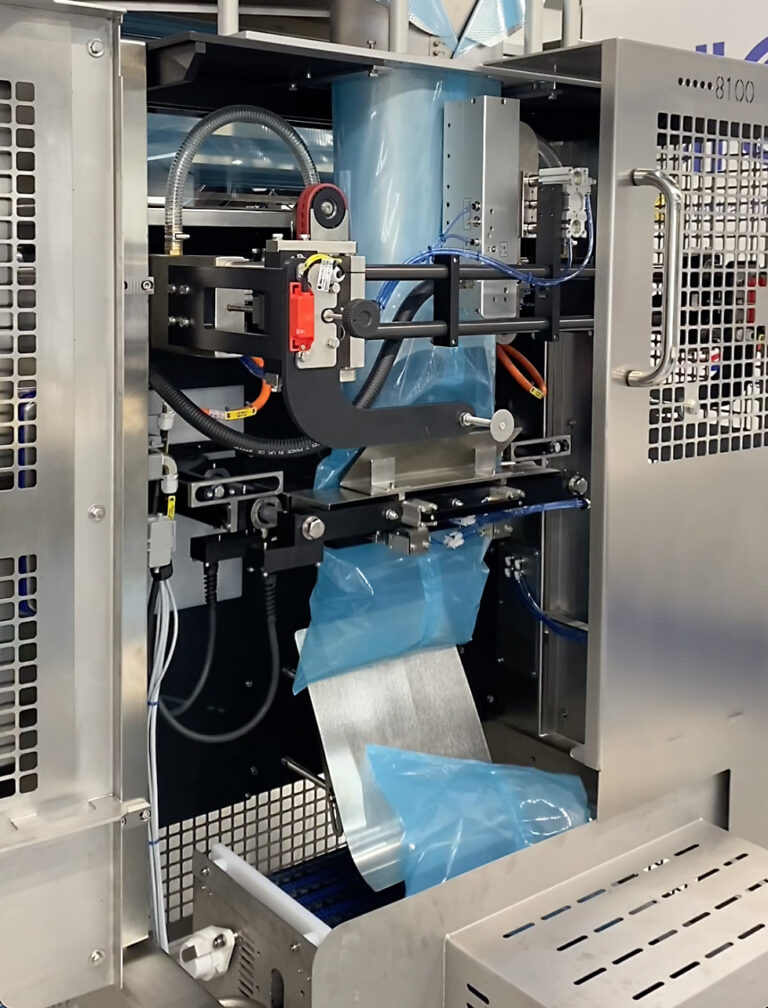
Heat Sealing Process Development and Testing
Even when the appropriate heat sealing technology has been identified, establishing the optimum process parameters can require practical testing and development.
Small differences in material composition, thickness or coatings can significantly affect how a material responds to heat and pressure. Therefore, testing with the actual production material allows engineers to evaluate several factors. These include sealing temperature, pressure, heating time, cooling time and seal strength before defining an appropriate process window.
A structured approach to application testing can help identify potential challenges early in the development process and reduce the risk associated with integrating a new sealing technology into production.
At Ceetak, our heat sealing engineers work with customers to assess materials and applications, carry out sealing trials and develop appropriate process parameters. Our engineering-led approach guarantees the selected heat sealing technology is suited to the material, and particularly the wider performance requirements.
Heat Sealing Solutions from Ceetak
Ceetak provides a comprehensive range of heat sealing technologies for industrial and manufacturing applications, supported by specialist engineering expertise in process development, testing and system integration.
Our heat sealing portfolio includes impulse, constant and continuous sealing technologies, meaning our engineers recommend solutions based on the specific requirements of each application.
From initial material testing and process development through to technology selection and integration, we work with customers to develop reliable and repeatable heat sealing processes. We support our customers through all stages of their heat sealing needs. From developing a new application, experiencing challenges with an existing sealing system, or looking to improve production performance. Our heat sealing specialists identify the most appropriate solution.
Need help selecting the right heat sealing process?
Speak to our heat sealing engineers to discuss your material, application and production requirements and discover how we can support your sealing process development.