
Home Sustainability Sustainability
Engineering for More Sustainable Heat Sealing
As materials and manufacturing processes evolve, heat sealing technology must evolve with them. We work with manufacturers and machine builders to develop sealing solutions that support new materials, reduce resource consumption, improve process efficiency and maximise the working life of equipment.
From recyclable mono-materials and thinner films to energy-efficient heat sealing technologies, our engineers help customers explore more sustainable approaches without compromising the integrity and performance of the finished product.
Supporting the Next Generation of Materials
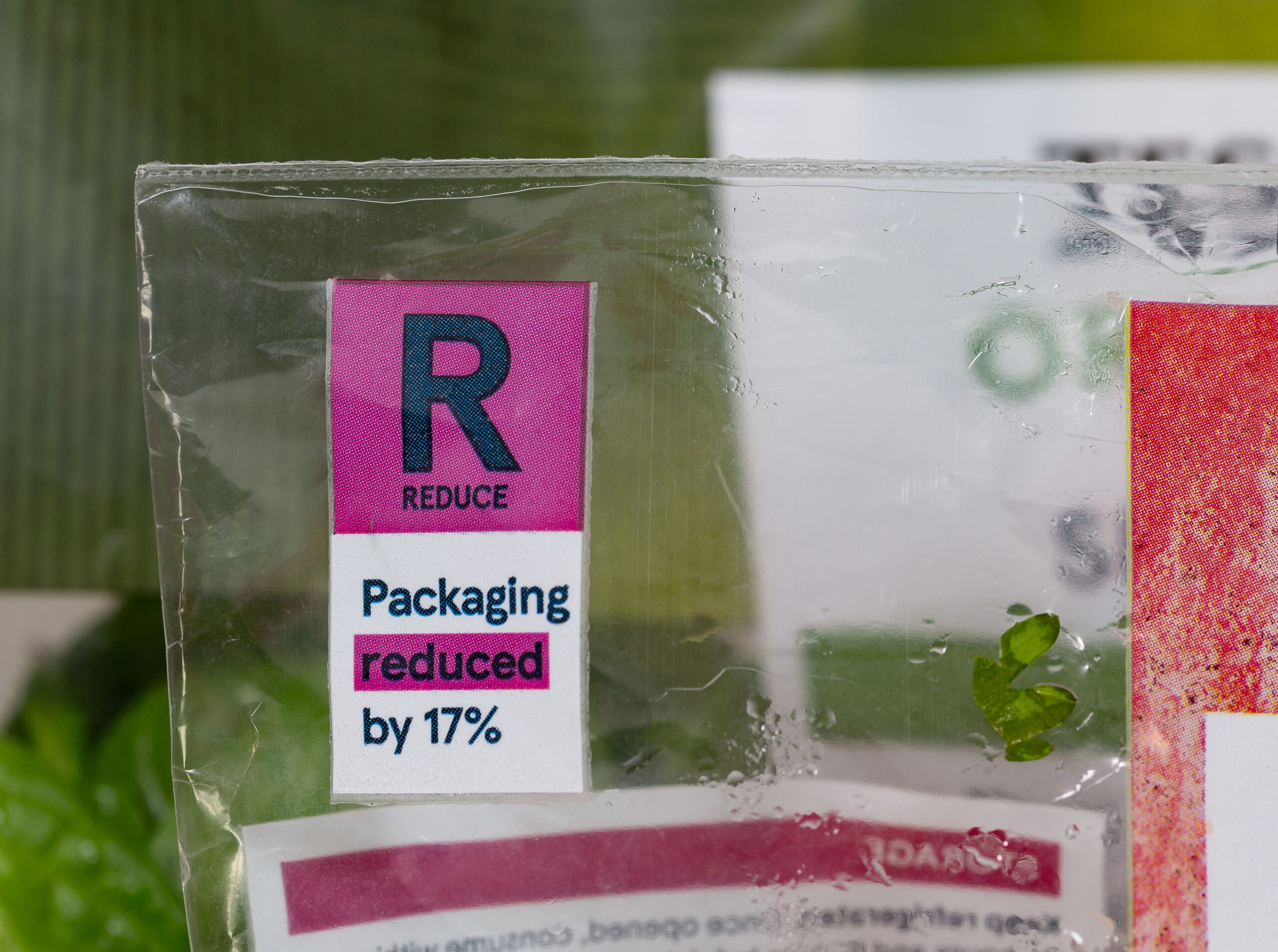
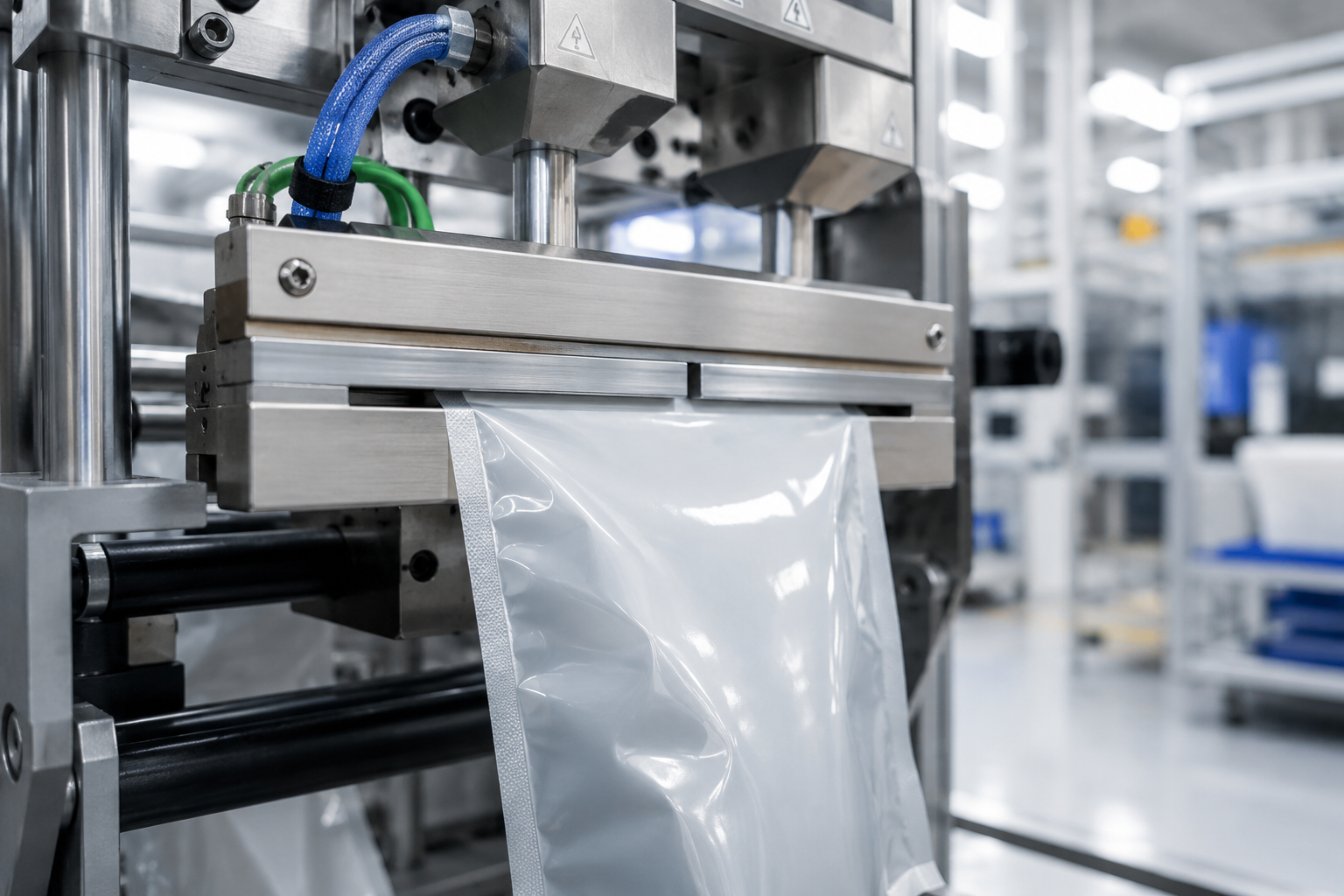
The move towards more sustainable packaging is driving significant change in the materials manufacturers need to process. Recyclable mono-materials, thinner films, paper-based structures and emerging bio-based materials can all behave differently during the heat sealing process.
Materials designed to improve recyclability or reduce material consumption often have narrower processing windows. Additionally, they may require different combinations of temperature, pressure and dwell time than traditional structures.
Our engineers work with customers to understand these changing material characteristics. Consequently, they identify suitable heat sealing technologies and process parameters for each application.
Through testing and process development, we help manufacturers evaluate new materials. Therefore, we develop a reliable sealing process before full-scale production
Engineering Efficiency in the Heat Sealing Process
Supporting Evolving Materials
Developing sealing processes for recyclable mono-materials, thinner films, paper-based structures and other emerging packaging materials.
Reducing Material Consumption
Optimising sealing processes and seal profiles to help minimise the amount of material required while maintaining reliable seal integrity.
Improving Energy Efficiency
Applying heat precisely where and when it is required, with technologies designed to minimise unnecessary energy consumption during the sealing process.
Extending Equipment Life
Supporting heat sealing equipment throughout its operational life with servicing, spares, consumables, technical support and opportunities to optimise existing systems.
Less Material. Same Focus on Seal Integrity
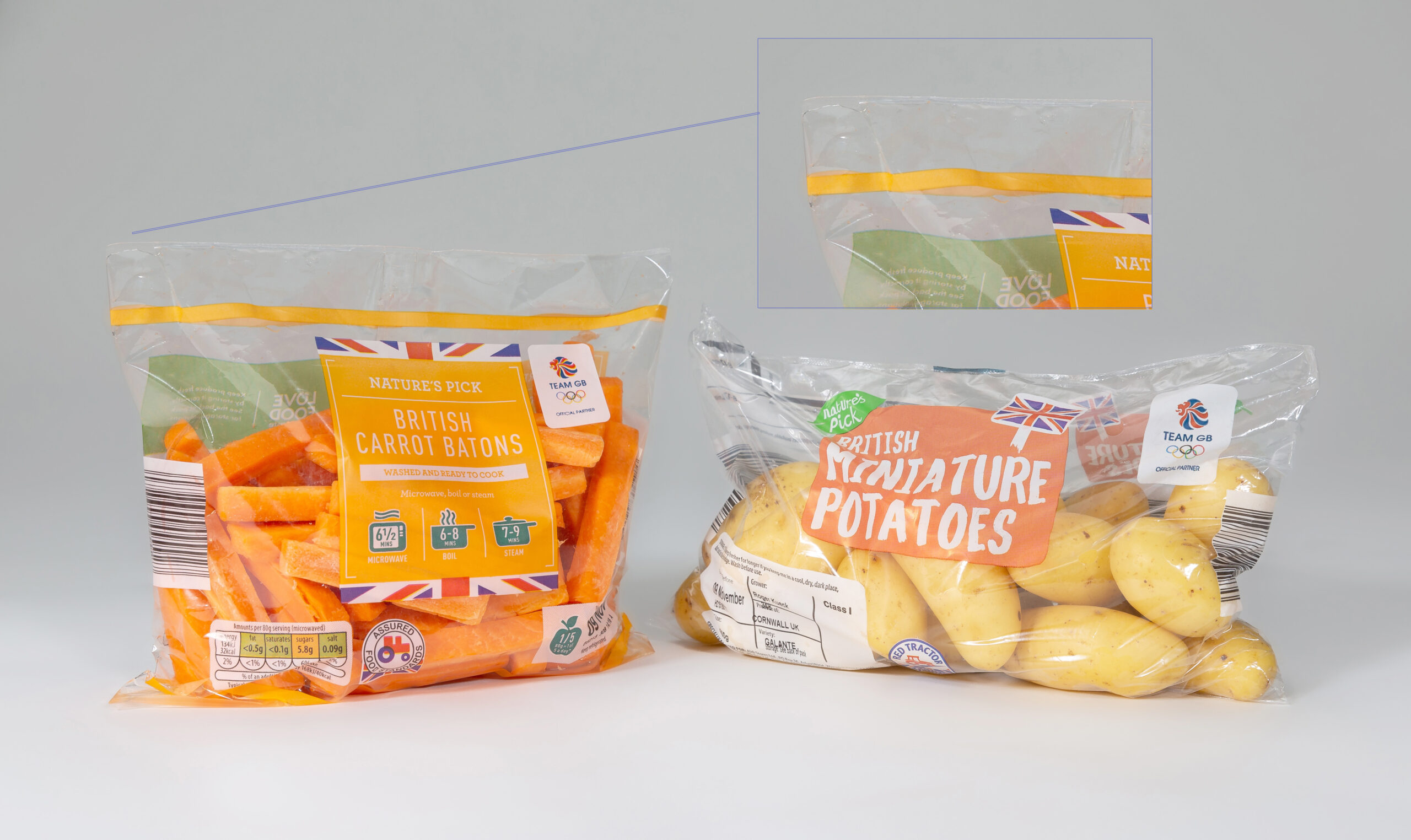
Reducing the amount of material used in packaging can create significant benefits when multiplied across high-volume production. However, reducing material or seal widths must not come at the expense of seal integrity.
Ceetak's Quick Pulse Heat (QPH) technology uses rapid, precisely controlled heating and active cooling to produce narrow, high-integrity seals on thermoplastic films.
With seal widths as narrow as 1–1.5 mm, QPH can help machine builders and packaging manufacturers explore opportunities to reduce the material allocated to sealing areas while maintaining a controlled, repeatable sealing process.
For high-volume VFFS, HFFS and flow-wrapping applications, even small reductions in material per pack have the potential to deliver meaningful material savings when applied across millions of production cycles.
Energy-Efficient Heat Sealing Technologies
Energy efficiency isn't simply about reducing the total power rating of a sealing system. It is also about controlling how and when energy is applied during the sealing process.
Different heat sealing applications require different approaches. By selecting the appropriate technology for the material, cycle time and production environment, manufacturers can avoid unnecessary energy consumption while achieving the required seal performance.
Test Before You Transition
Changing packaging materials can introduce uncertainty into an established manufacturing process.
A material that appears similar to an existing structure may behave very differently when exposed to heat and pressure. Seal initiation temperature, processing window, dwell time and cooling requirements can all affect the final result.
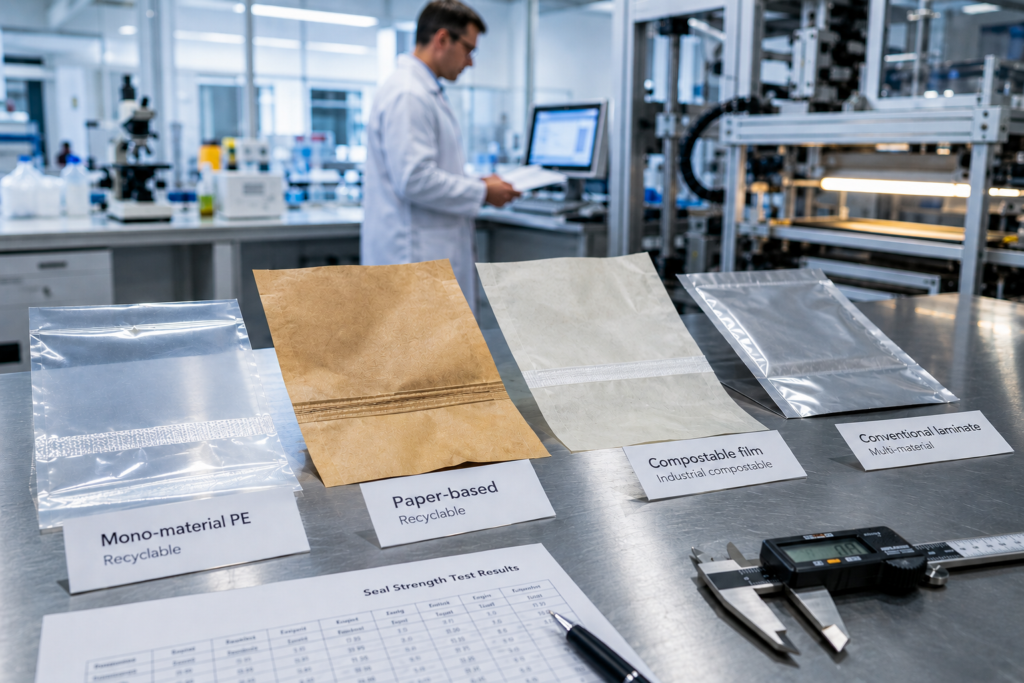
Our in-house application testing and development facilities allow customers to evaluate materials and develop sealing parameters before committing to production changes.
Working with your materials and application requirements, our engineers can investigate the relationship between temperature, pressure and dwell time to help establish a repeatable sealing process.
This provides manufacturers with greater confidence when evaluating new materials, reducing the risks associated with introducing changes directly onto a production line.
Making Existing Equipment Work Harder for Longer
Sustainability isn't only about the materials being sealed. The lifecycle of manufacturing equipment also matters.
Well-maintained heat sealing systems can remain productive for many years. Through ongoing technical support, servicing, replacement parts and consumables, Ceetak helps customers maintain the performance and reliability of their heat sealing equipment
Our engineering team supports customers facing changes in materials, production requirements or sealing performance. We assess existing processes and identify opportunities for optimisation. This approach can improve performance before replacement equipment is considered.
Supported by our partnerships with ROPEX and TOSS, we can provide specialist temperature control components and associated consumables alongside technical knowledge and support.
Our approach helps maintain, support and where appropriate, optimise existing systems. Consequently, our customers maximise the value and operating life of their heat sealing equipment.
Engineering for What's Next
Sustainability requirements will continue to influence the development of packaging materials and manufacturing processes. For manufacturers, this means heat sealing processes must be capable of adapting alongside them.
Our approach combines specialist heat sealing knowledge, application testing and engineering expertise. Therefore, this approach helps customers respond to changing materials and production demands.
You could be investigating a recyclable alternative, searching ways to reduce packaging material, or looking to improve process efficiency. Additionally, our engineers will help you evaluate the performance of an existing sealing system and identify the right approach.
Let's Discuss Your Heat Sealing Requirements
Whether you're developing a new product, validating a sealing process or improving production performance, our engineers are here to help you identify the right heat sealing solution.
Visit us
🇬🇧
🇳🇱
Call our engineers
Email us
What we do...
Trusted by manufacturers globally.